Workbench / The measurement desk
Storage advice is mostly measurement advice
Inside dimensions, load paths and container volumes — before anyone tells you to buy a bin. Read the room before you buy for it.
Start with the latest piece →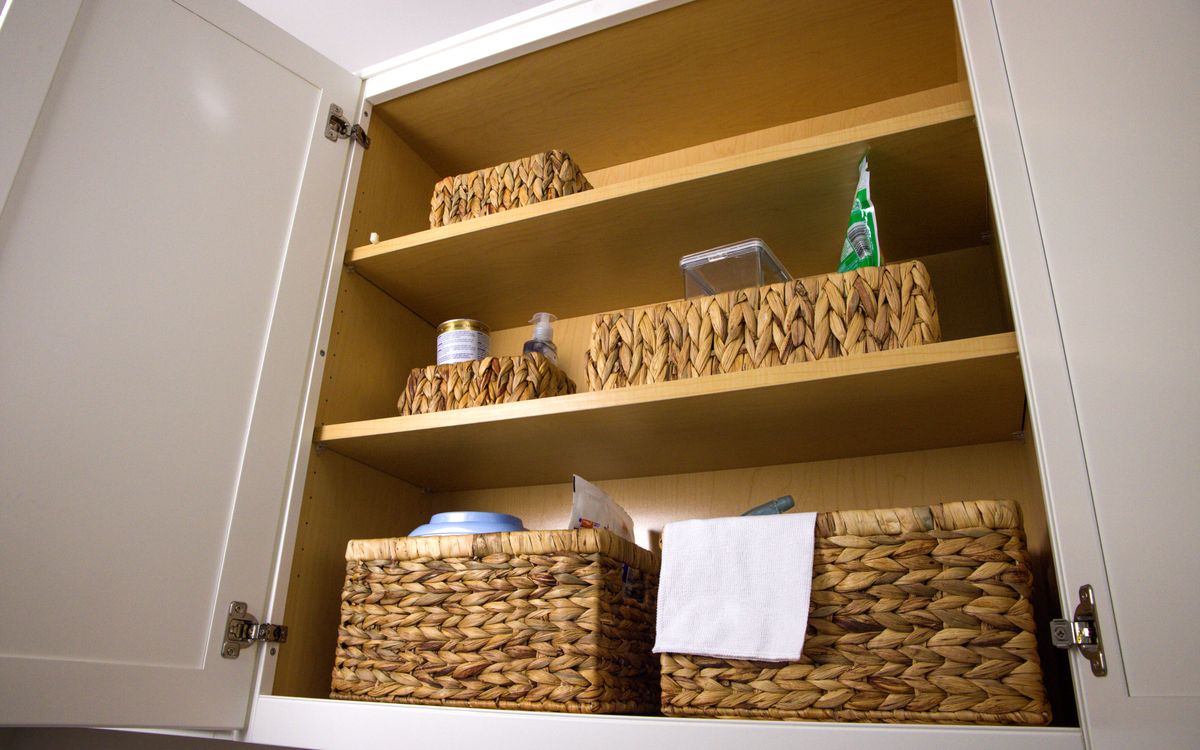 Fig. 01 — baskets, bins, and the shelf that holds them
Measured, not guessed
Every recommendation starts from an inside dimension you can check yourself.
Dimensions over adjectives
Deep, sturdy and spacious are opinions. 11.5 in is a fact.
Nothing sponsored
No paid placements. Where a link earns a commission, it is labelled.
The method
Four steps before any purchase
- 01
Measure the inside
Width, depth and the lip. The outer number on the box is not the one that matters.
- 02
Trace the load
Board to bracket to wall. Failure is a broken link in that chain, not bad luck.
- 03
Match the container
Quart claims and usable volume differ by 15–30% once a lid is on.
- 04
Buy once
The piece that fits the measurement beats the piece that needs a second trip.
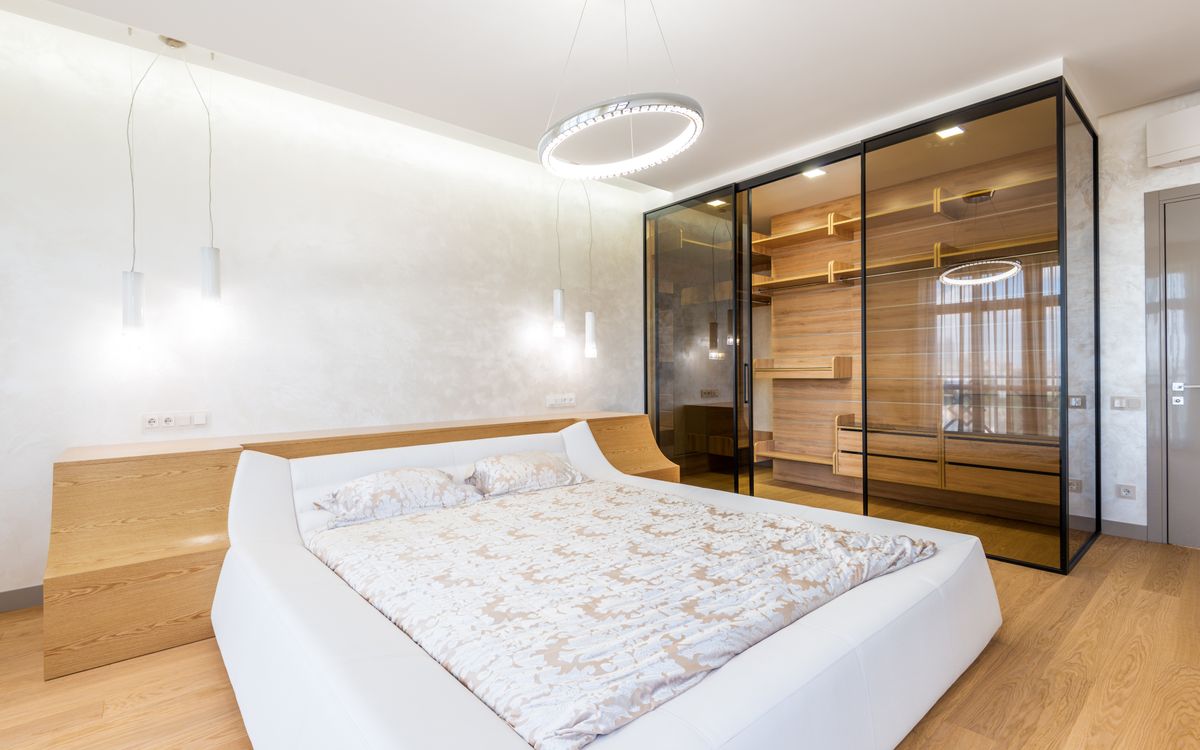
Shelving & Storage Furniture · Latest
Modular shelving: what the ability to add a bay actually costs
A modular shelf system is priced as parts, not as a unit, and the load path changes when you add a bay. Where the premium pays and where it strands you.
Recently measured
All pieces →
An 18-inch-wide cabinet: what fits inside 16.5 inches
A tall narrow cabinet trades width for height, and the trade is decided by carcass thickness, clear depth and the reach of the person using the top shelf.
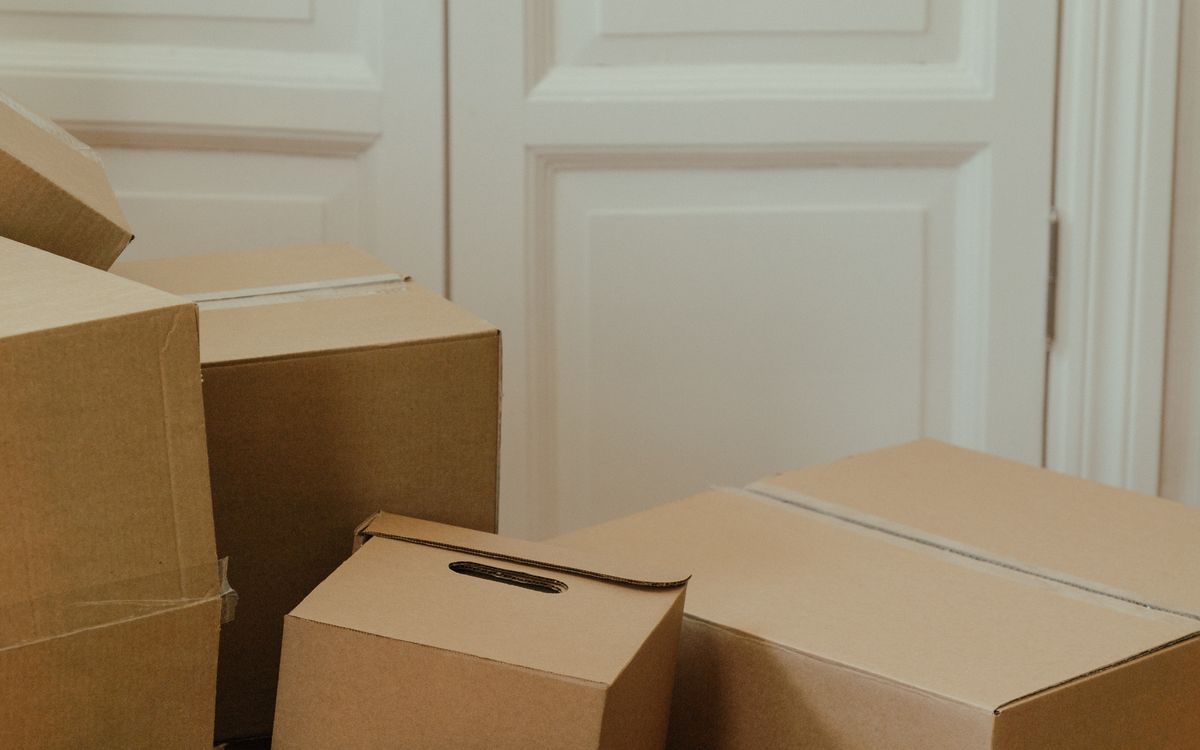
Five storage mistakes that cost space, and the fix for each
Depth past reach, density past the fill line, no labels, mixed modules, an ignored door swing: five errors with a measurable cost and a fix.
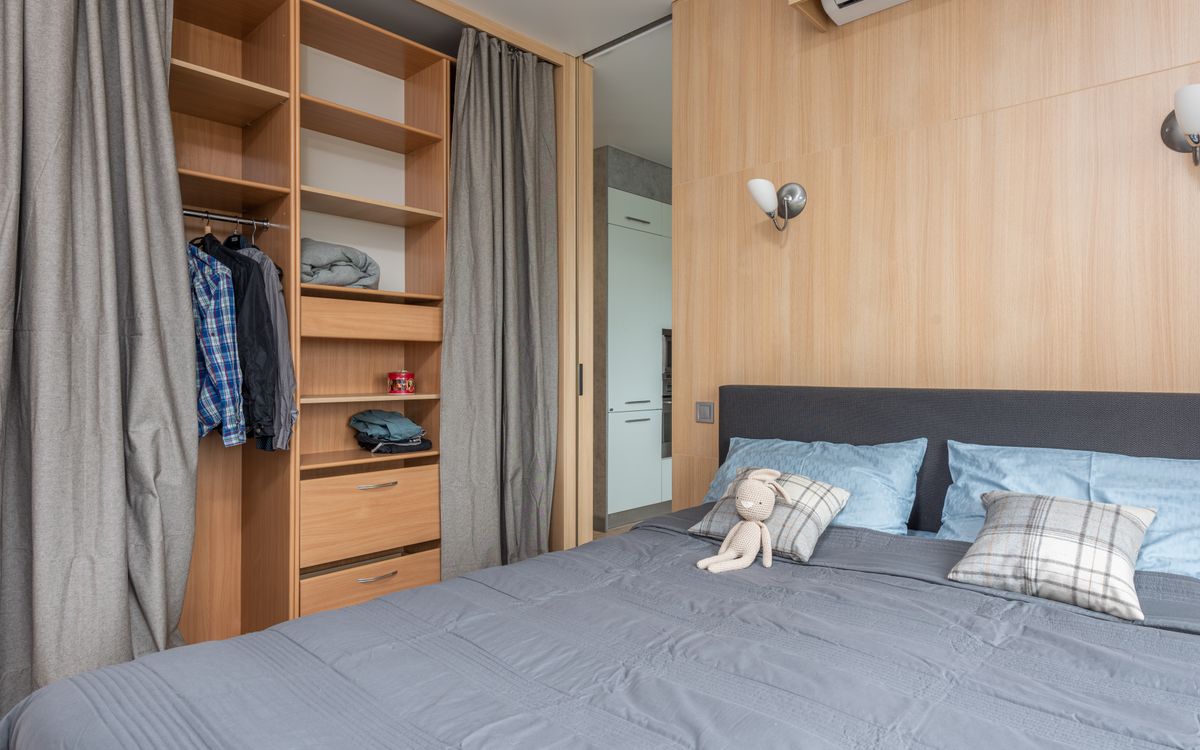
Under-bed storage boxes: three that fit under 7 inches
Under-bed boxes run 6.5 to 7 inches tall, and the gap under the frame decides everything. Three real boxes compared on height, length, wheels and dust.
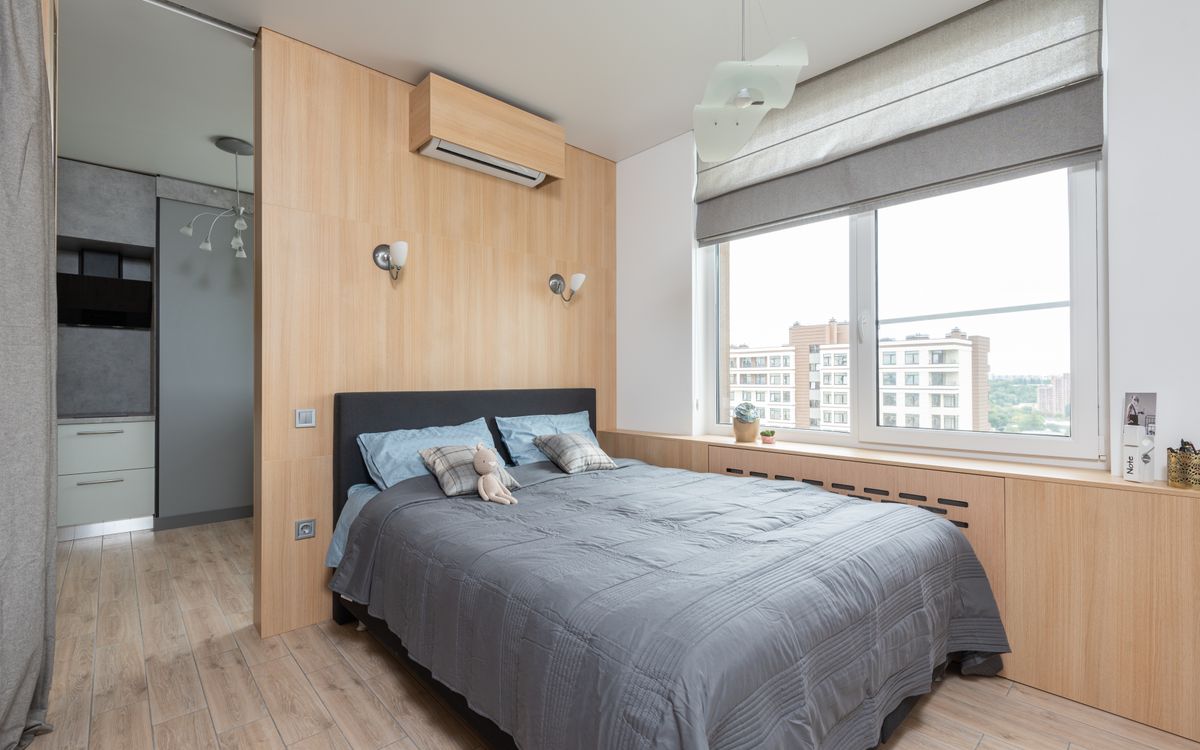
Stackable storage crates: one footprint or no stack at all
Two crates stack only when the base of one seats in the rim of the other. What the 600 × 400 mm and 710 × 440 mm families repeat, and what half-height measures.
Glossary spotlight
Three words that explain most storage failures. The full list lives in the guides.
- Dead space
- The gap behind a container that is too deep for its shelf — usually 2 to 4 inches per shelf, unreachable.
- Toe kick
- The recessed strip at the base of a cabinet. It hides 3 inches of depth you cannot put a bin into.
- Rail clearance
- The 9–12 mm a drawer rail eats on each side. The reason a 18-inch insert will not fit an 18-inch drawer.
Who writes this
We have moved eleven times. Every time, the same boxes stopped fitting.
Sortden began as a spreadsheet. Two editors, eleven apartments between us, and a habit of writing the inside measurements of every cupboard on the back of a moving box. The spreadsheet turned out to be more useful than the advice we had been reading.
We do not run a lab and we do not claim to. We read specification sheets, check manufacturer dimensions against owner reports, and tell you which number decides the purchase.
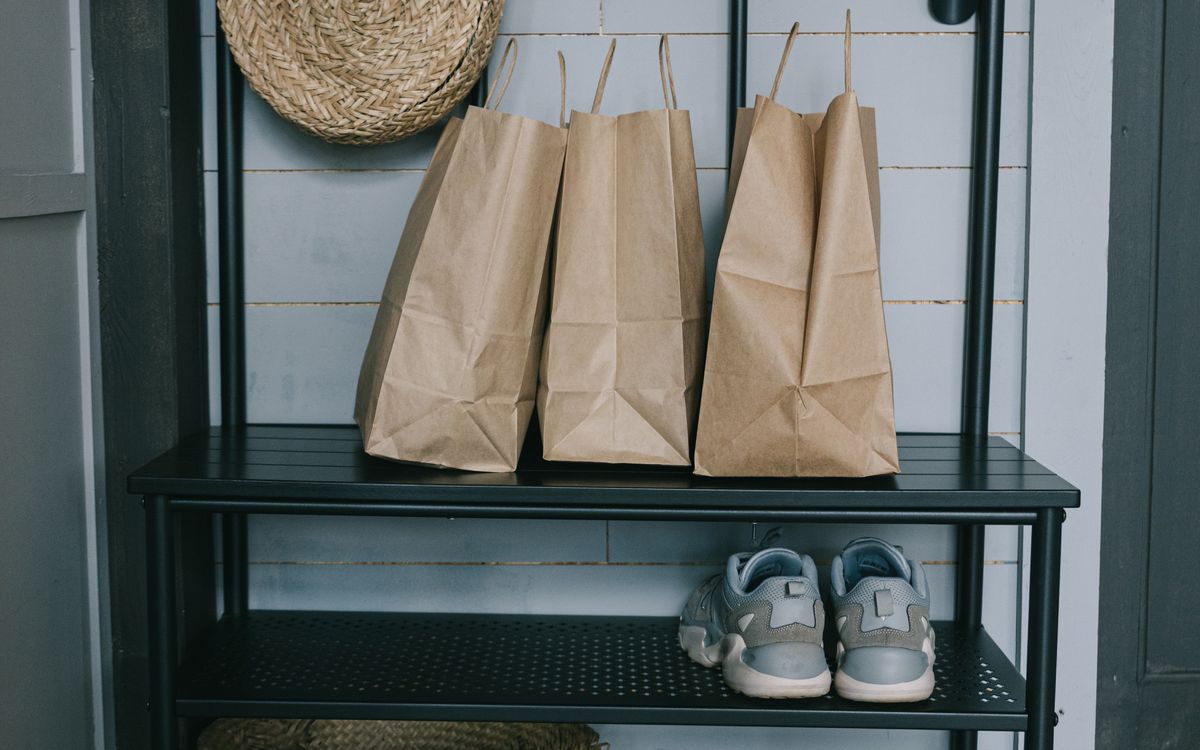
Three questions before you order anything
Is it deeper than your arm?
A shelf beyond 16 inches is a shelf you empty to reach the back of. Depth has a working limit.
Does the door open past it?
A 90-degree swing needs 26 inches of clear floor. Storage that blocks the swing gets abandoned.
What carries the weight?
Plaster, drywall, tile or stud — the anchor decides the load, not the bracket rating.
Kitchen & Pantry
All →
Kitchen trash and recycling stations: three ways to open a two-stream bin
A foot pedal, a motion sensor and a drawer pull all sort two streams in one footprint. The differences that decide it are cabinet width and bag retention.
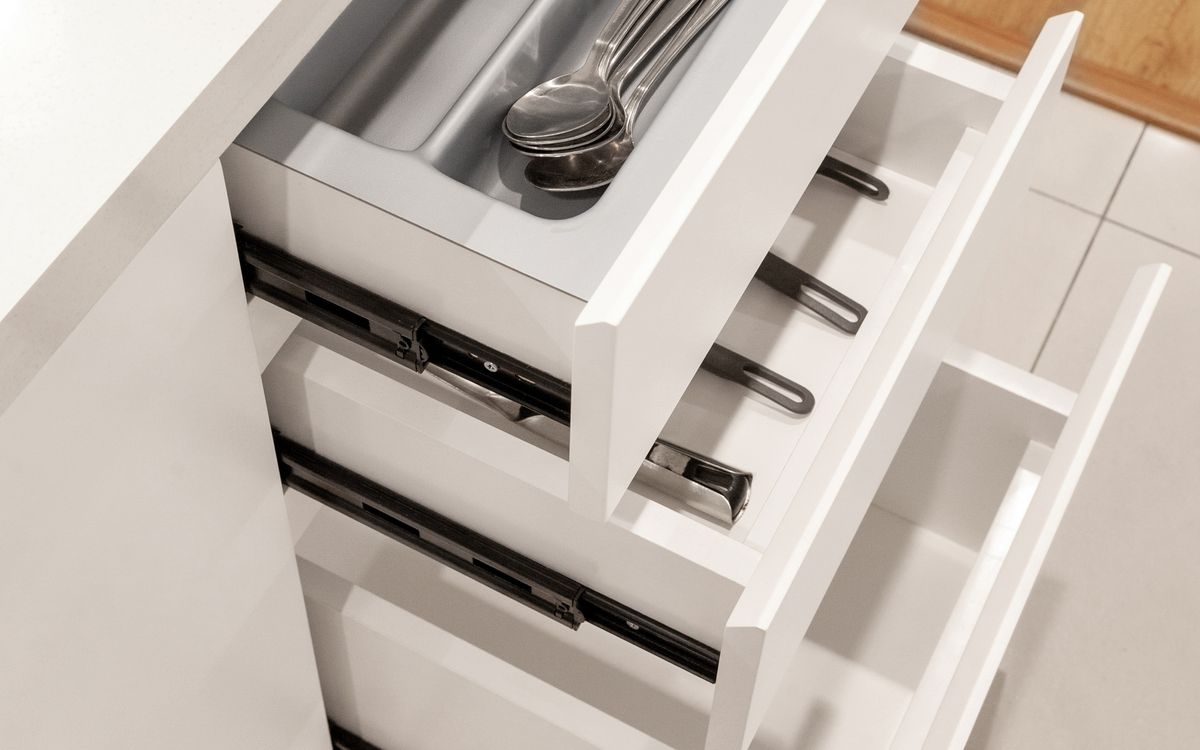
Storing food container lids: vertical rack, flat stack or drawer divider
Lids fail to store because they are sorted by brand instead of by size. Three methods, the lid sizes each one suits, and the numbers that decide between them.

Pantry door storage: what the hinges and the door panel can carry
A door rack adds shelves without adding floor space, until the door starts to sag. Hinge type, panel thickness and rack depth decide how much it can hold.
Garage & Utility
All →
Seasonal storage rotation: the twice-yearly move, counted
Two swaps a year, four moves per bin, and a volume you can work out in quarts. Numbering the bins is what turns the changeover into an hour.
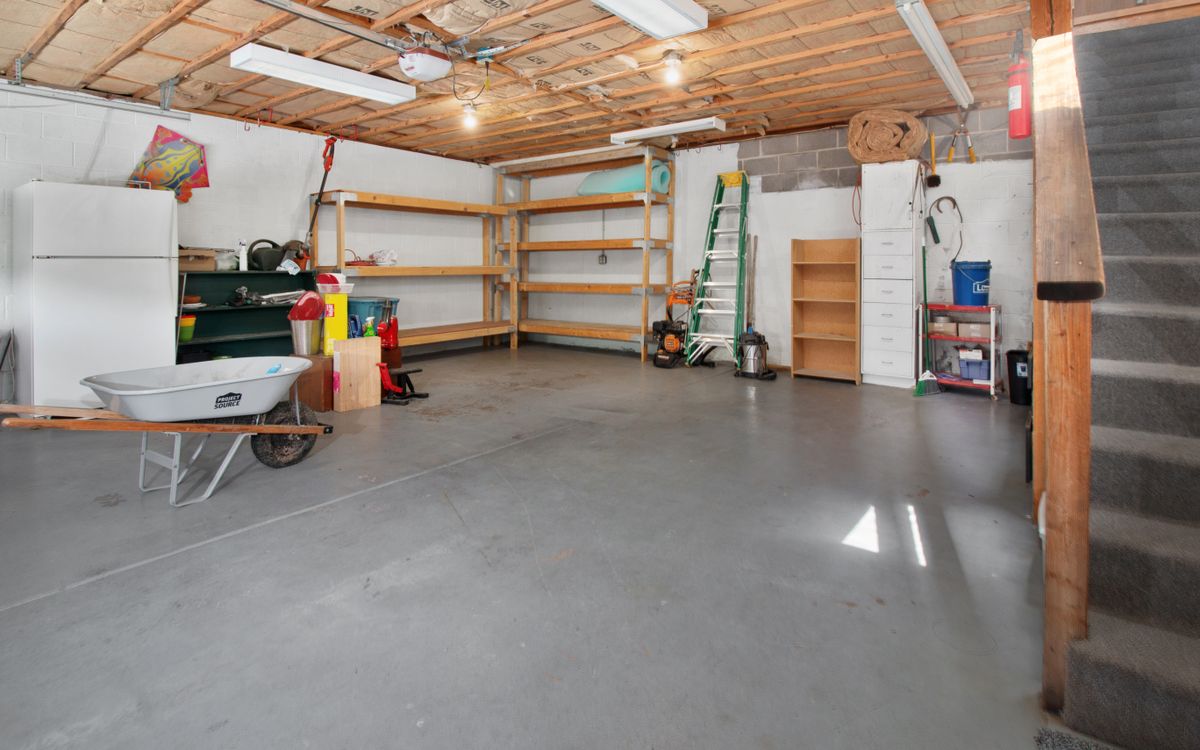
Bike storage in a garage: floor, wall or ceiling
A bike is six feet long and two feet wide, so where it lives is decided by aisle width, hook height and how many seconds it takes to get it out.

Utility room shelf heights: the 30, 18 and 12 inch bands
Shelf spacing in a utility room is set by the tallest item in each group. Three clear heights cover the room, and one problem needs a different answer.
One measurement a week
No newsletter yet — we would rather not run a form we cannot honour. If you want a specific room covered, write to the editor and it goes on the list.
The whole river
Archive →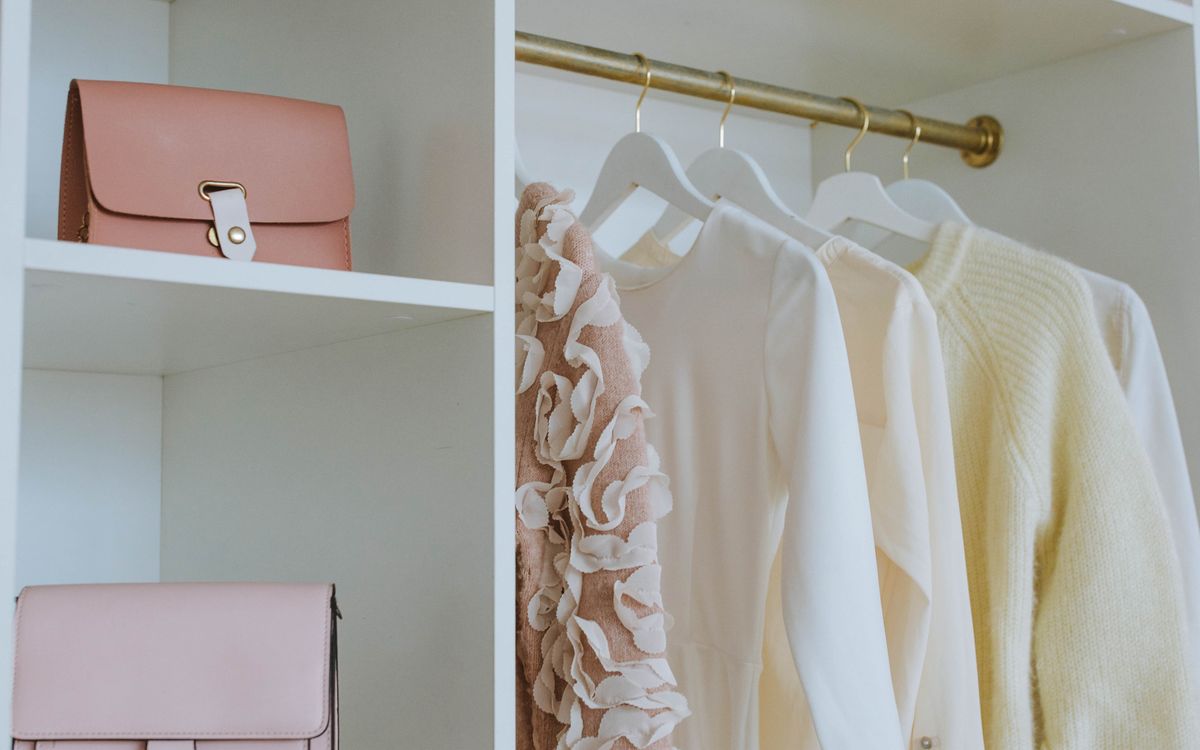
Audit a closet in an hour, and finish with numbers instead of piles
A sixty-minute closet audit in timed blocks: empty it, sort three piles, measure the bare shelf, then convert the readings into a fit budget.

Metal or wood shelving in a humid room: rust, swelling and lost capacity
Humidity attacks steel at its coating and composite board at its core. What each does above 60 percent relative humidity, and what the rating assumes.
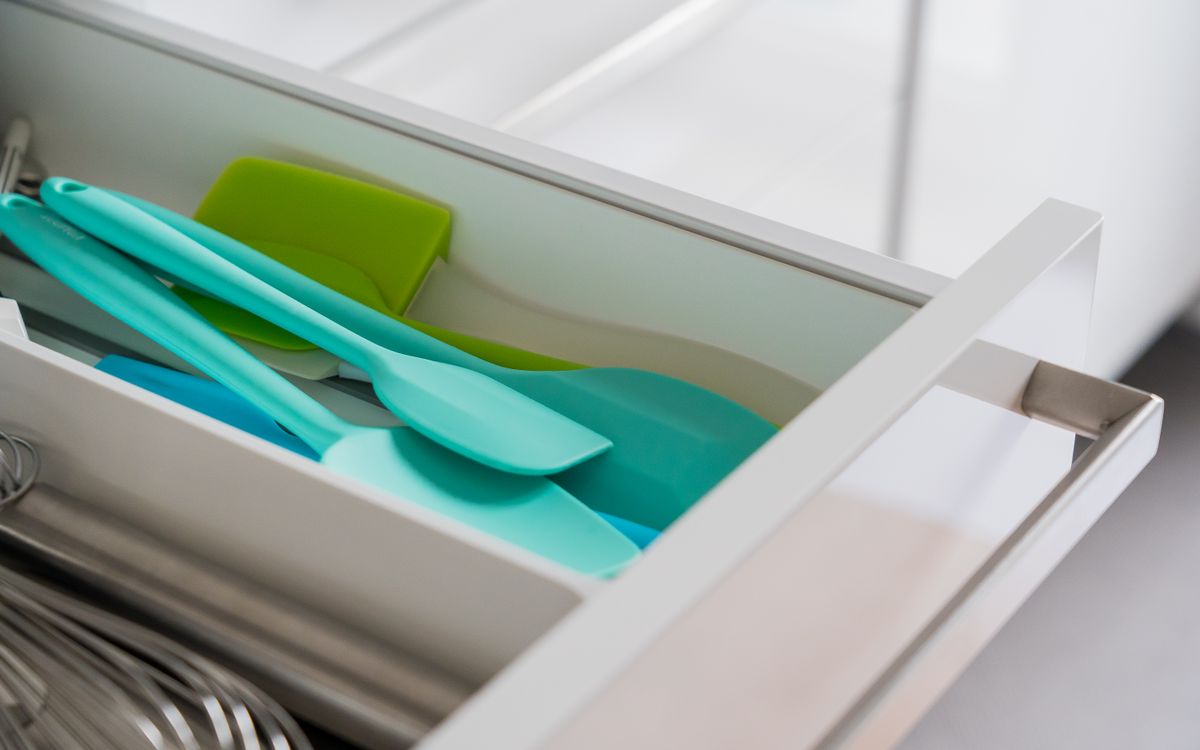
Sideboard depth: what 14, 16 and 18 inches actually hold
A 14-inch sideboard and an 18-inch one differ by a charger plate. What each depth takes flat, what it takes upright, and the clearance plates need.

Storage capacity math: quarts, gallons, liters and cubic feet
A quart is 57.75 cubic inches and a gallon is four of them. Here is how to turn a capacity figure into the volume a shelf actually holds.

Floating shelf weight limits: brackets, span and the wall behind them
A floating shelf rating covers the shelf, the bracket and the wall. What each hidden bracket carries, and why span matters more than thickness.
No-drilling bathroom storage: three systems and their real load ceilings
A tension rod, an adhesive hook and a freestanding rack each publish a number in pounds. The numbers are not comparable until you know what area carries them.

Pull-out pantry shelves: slide rating, panel thickness and the rear fixing
A pull-out shelf is only as strong as the two cabinet sides it is screwed to. Here is how the slide rating, the gable thickness and the rear fixing point decide the load.
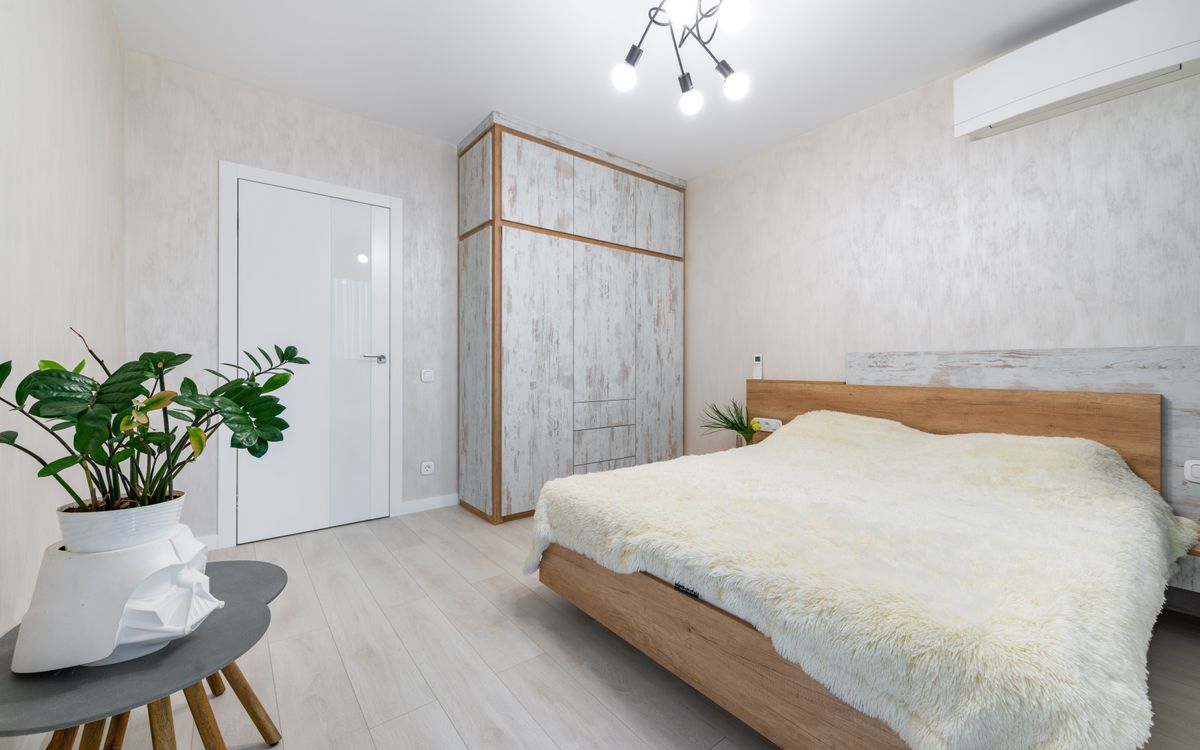
Storage ottomans: what a 660 lb rating actually promises
Three storage benches rated 660, 250 and 250 pounds, compared on what the load number measures, how the lid opens and how much clear height is left inside.