Section
Shelving & Storage Furniture
Furniture that has to hold things · 9 pieces · last updated November 16, 2026
A shelf is a load path. The board carries the weight to the bracket, the bracket carries it to the wall, and the wall carries it to whatever is behind the plaster. Every failure is a broken link in that chain, never a mystery.
We size shelving by what it has to hold and how far it has to span, and we treat depth as the number that decides whether the furniture is usable at all.
Start with these

Guide · November 16, 2026
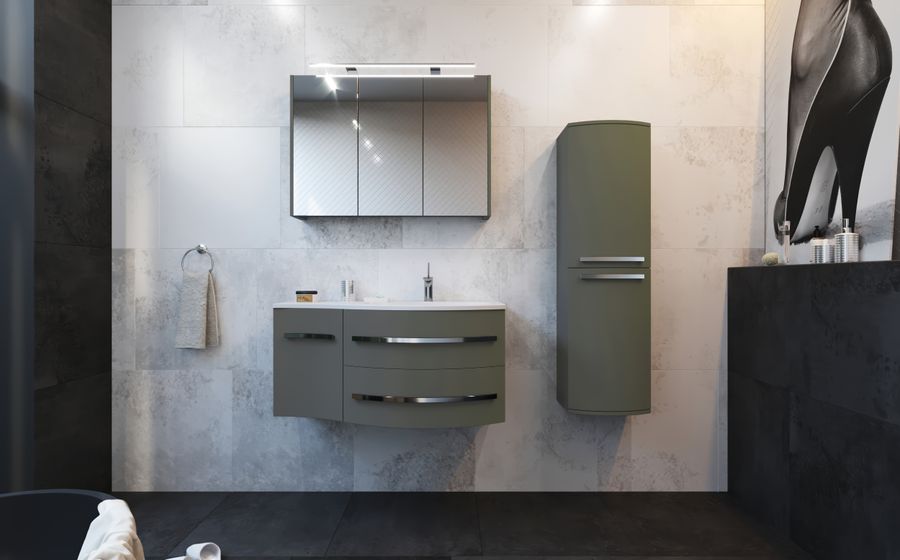
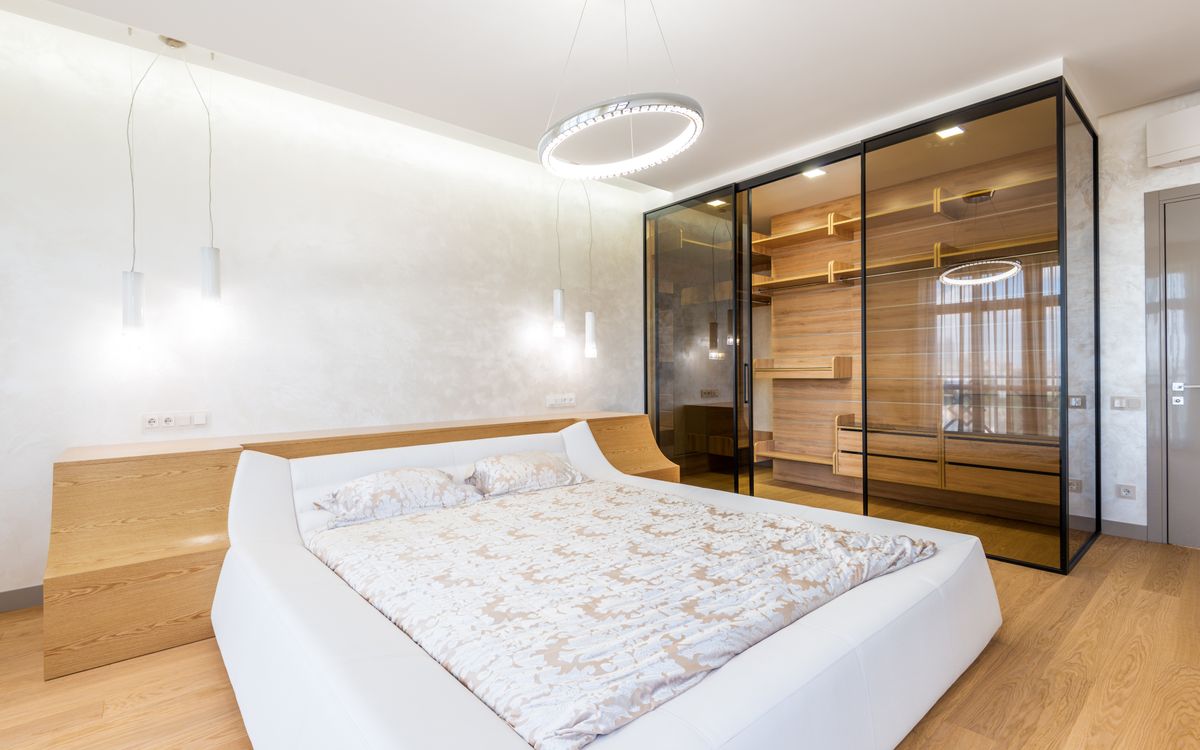
Modular shelving: what the ability to add a bay actually costs
A modular shelf system is priced as parts, not as a unit, and the load path changes when you add a bay. Where the premium pays and where it strands you.
Read the piece →



Everything in this section

Sideboard depth: what 14, 16 and 18 inches actually hold
A 14-inch sideboard and an 18-inch one differ by a charger plate. What each depth takes flat, what it takes upright, and the clearance plates need.

Floating shelf weight limits: brackets, span and the wall behind them
A floating shelf rating covers the shelf, the bracket and the wall. What each hidden bracket carries, and why span matters more than thickness.
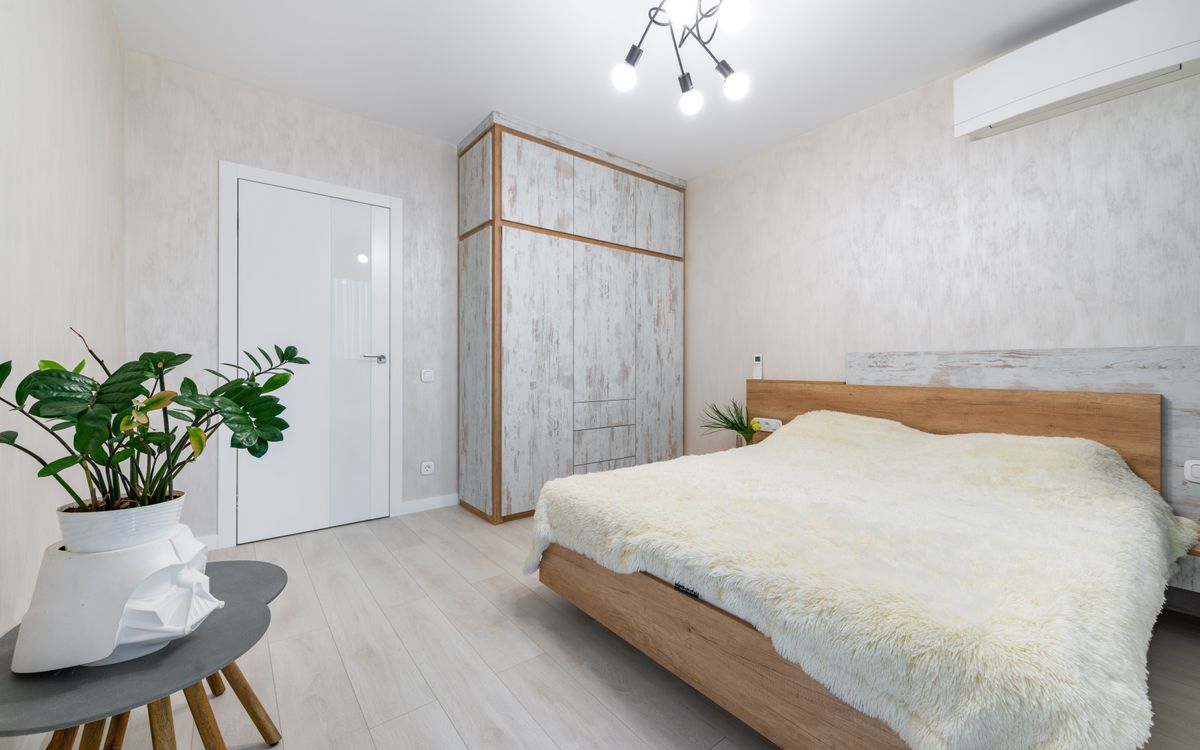
Storage ottomans: what a 660 lb rating actually promises
Three storage benches rated 660, 250 and 250 pounds, compared on what the load number measures, how the lid opens and how much clear height is left inside.

Cube shelving or a bookcase: the 13-inch opening against the 11-inch one
A cube grid and a bookcase both hold boxes, but a 13-inch opening and an 11-inch one differ. Three units compared on opening height, depth and load.