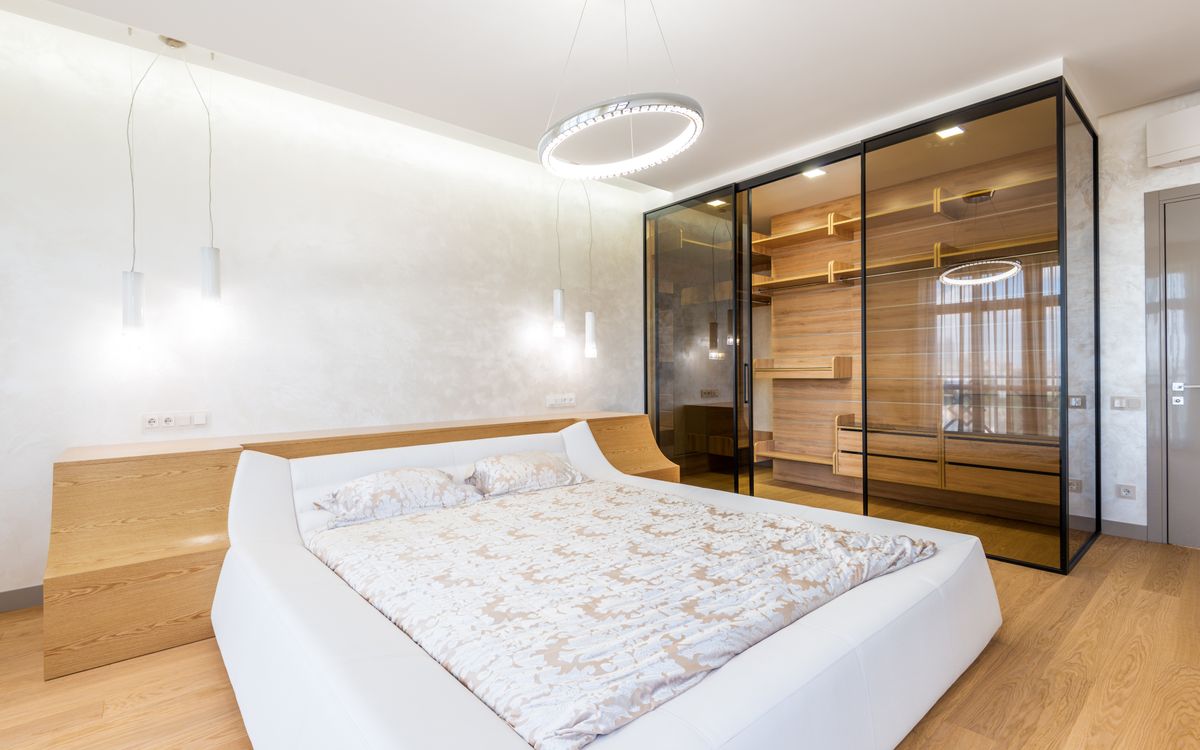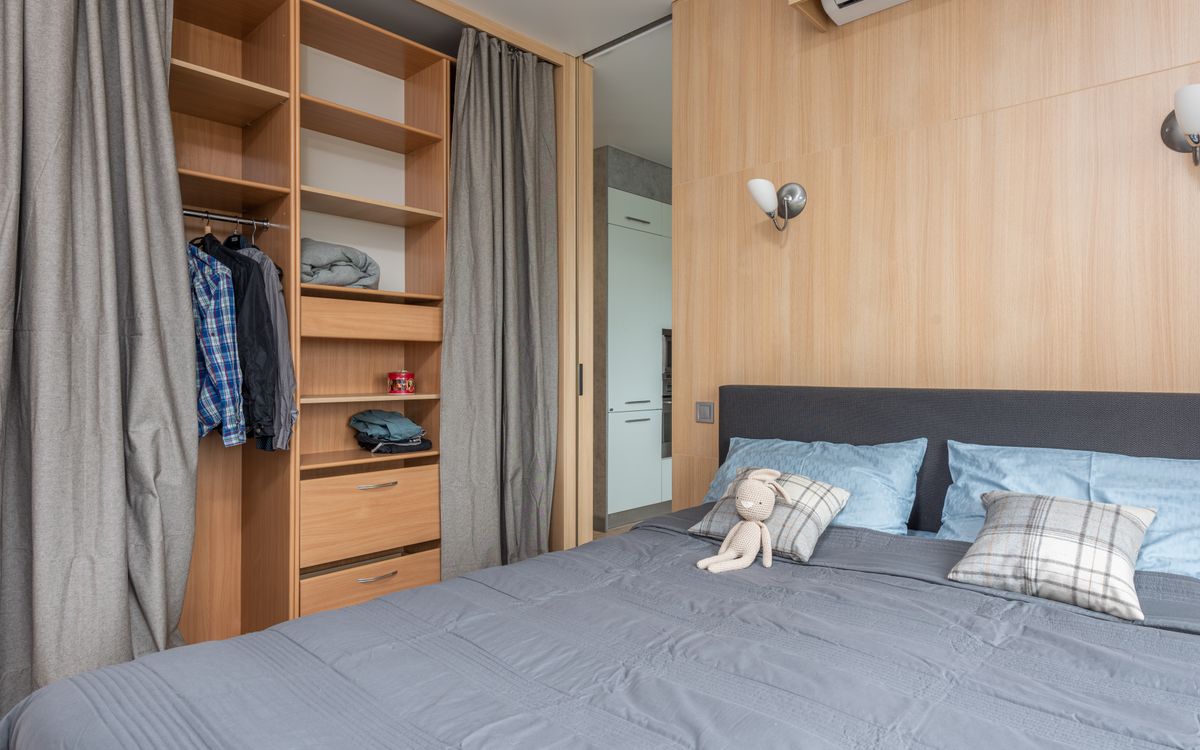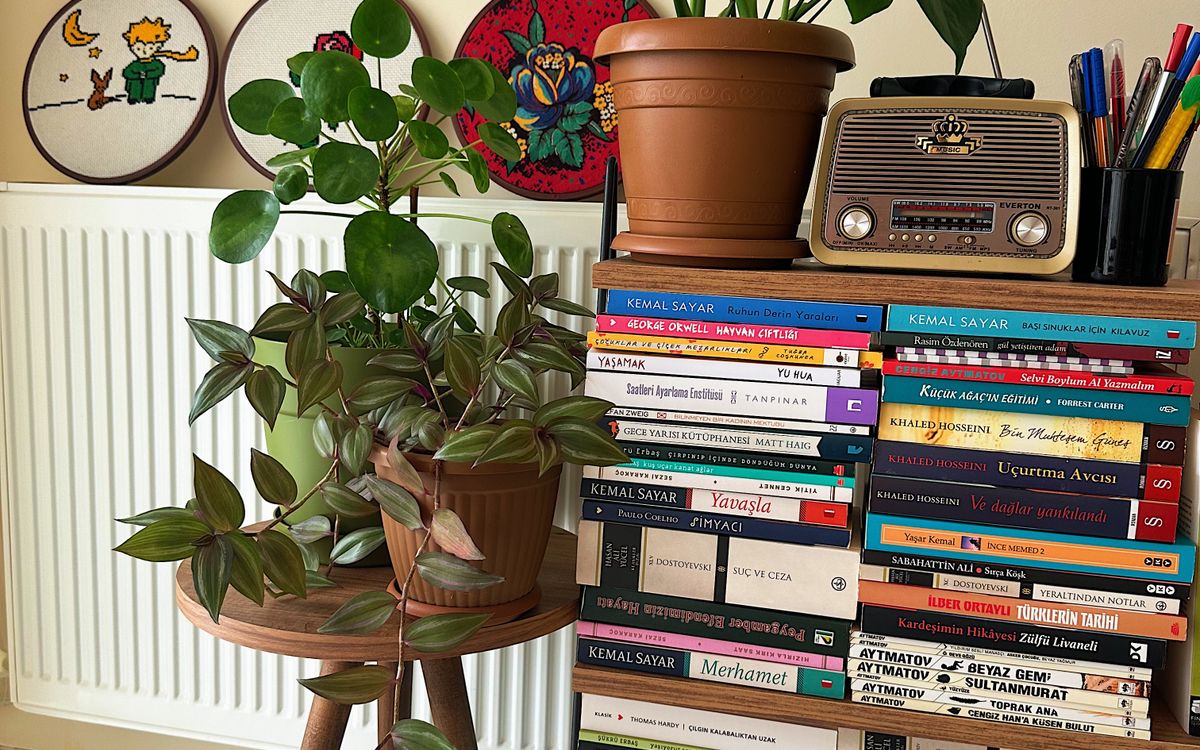
A cube organizer and a bookcase are both a rectangle with shelves, and both are sold as storage, which is why they get compared on width, finish and price. The measurement that actually separates them is the height of the opening, and it is the one the product photos never show.
If the thing you are storing is a box, a basket or a folded stack, the cube grid wins, because it holds the container on four sides. If the thing you are storing is a book or a continuous row of anything, the bookcase wins, because the shelf is one span you can set at the height you need. Everything below is the numbers behind that split, taken from the three units’ own listings.
What a cube grid actually is
A cube unit is not a bookcase with dividers dropped into it. The vertical panels are structural and part of the load path, and every opening is a fixed box measured in three directions at once. That has two consequences that matter when you shop.
The first is that each opening has a maximum object, and the maximum is set by the smallest of the three dimensions. A cube that is 13 inches wide, 13 inches tall and 15 inches deep takes a 13-inch-wide object, not a 15-inch one. This sounds obvious until you are standing in a shop with a 14-inch-wide basket.
The second is that the grid sets width and height together. You cannot take space from a tall item’s neighbour and give it to the tall item, which is exactly what an adjustable shelf lets you do. What you get instead is a fixed module, and the value of that module is that the entire accessory market is built around it: fabric bins, felt drawers, doors and label holders are all sized to the opening. Buying into a 13-inch grid means buying 13-inch bins for as long as you own it.
13.2 inches against 11.25 inches
The IKEA KALLAX opening measures 13.2 × 13.2 inches inside, and it is the same in every size of the range, from the 1 × 4 to the 5 × 5. The DRÖNA box sold for it is 13 × 15 × 13 inches, which is a cube opening with a box inside it and nothing left over.
The ClosetMaid Cubeicals Premium nine-cube unit is a different product. Its opening is 11.25 inches high, 11.25 inches wide and about 11.5 inches deep, on a unit that measures 37.6 inches wide, 11.81 inches deep and 38.31 inches high.
Two inches of opening height sounds like a rounding difference. It is a category boundary. A one-inch three-ring binder for letter paper stands about 11.5 inches tall, so it does not go into an 11.25-inch opening upright, and it does not go in tilted either without eating the whole cube. Most hardcover novels are 9 to 9.5 inches tall and fit both. Cookbooks and art books run 11 to 12 inches and fit only the taller grid. Magazine files are commonly 11.5 inches tall and behave like the binders.
The height is also where the accessories stop being interchangeable. Fabric bins sold for an 11-inch cube system are about 10.5 inches tall, and they look undersized and loose in a 13-inch opening. This is the trap in buying a cube unit on price: the unit is cheap, and then every bin you buy for the next five years has to match its grid.
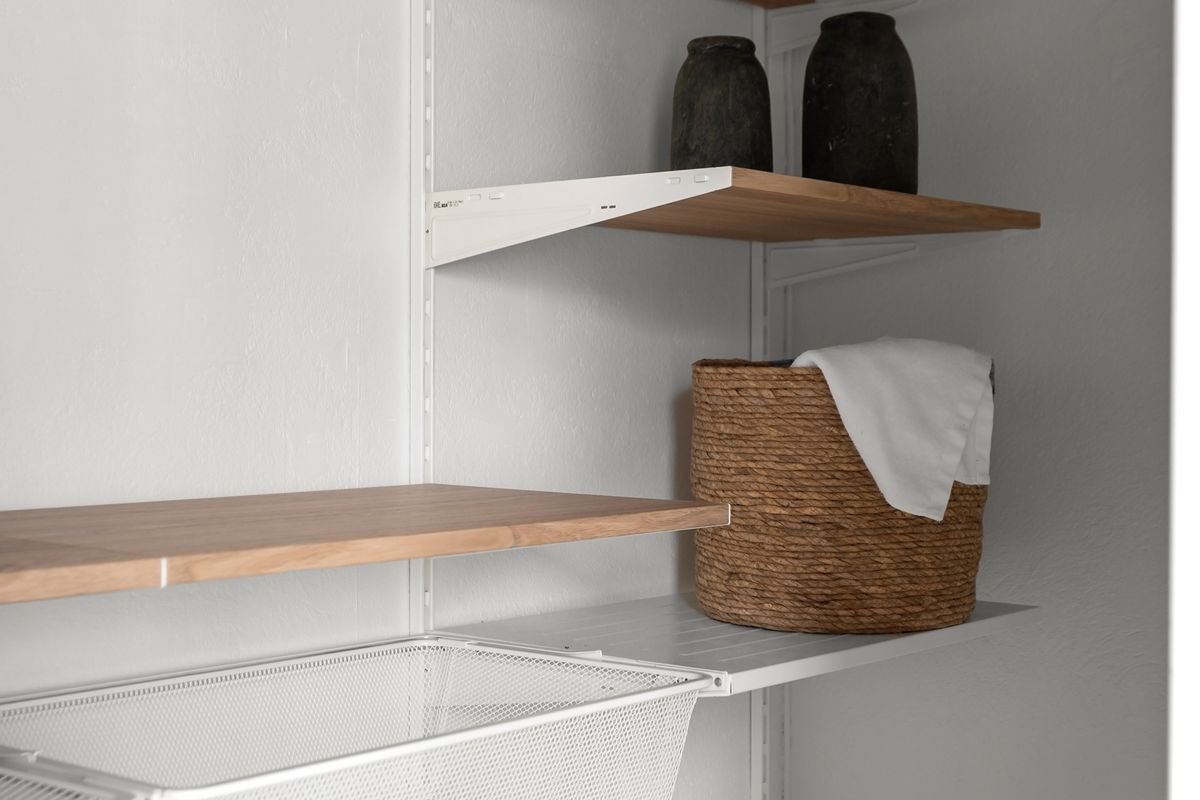
Depth: 15⅜, 11⅞ and 11 inches
Depth is the dimension that decides what the unit is for, and the three units here sit at 15⅜, 11.81 and 11 inches outside.
The KALLAX is 15⅜ inches deep, and the DRÖNA box is 15 inches deep, which is a unit designed to be filled front to back by its own accessory. That depth holds a 13-inch bin with the lid clearing the panel above, a stack of folded towels two deep, or a row of shoeboxes. It is the right depth for containers.
The ClosetMaid is 11.81 inches outside and about 11.5 inches inside, which is bin depth for a smaller bin, or book depth with a little room. The BILLY is 11 inches outside, and the fiberboard back panel takes a fraction of that, so the usable shelf is a little under 11 inches. A 10-inch-deep art book sits at the limit. What you cannot do on an 11-inch bookcase is put a storage bin on it, because no standard bin is that shallow.
The trade runs both ways. On a 15-inch cube shelf used for books, the books slide back until the spines are 4 inches behind the front edge, and the row looks ragged no matter how carefully you load it. On an 11-inch bookcase used for bins, there is no bin that fits. Depth is not a quality; it is a statement about contents. If you want the reasoning behind the shallow number, the twelve-inch rule sets out why the front 12 inches are the ones you can reach.
Fixed shelves, adjustable shelves, and who needs which
The KALLAX shelves are fixed. That is not a cost cut so much as the point of the product: a fixed grid is a set of identical boxes, and identical boxes are what make a wall of them read as one piece of furniture. The cost is that a 13-inch cube stays 13 inches when your contents change from folded clothes to board games.
The BILLY comes with one stationary shelf and four adjustable ones. You set the gaps on a row of pre-drilled holes, which means the same 79½-inch carcass can hold five rows of novels, or three rows of novels and one tall gap for an atlas. The unit can also take an extra shelf, a height extension and doors, which is why it has stayed in production since 1979.
The ClosetMaid manual describes its internal panels as adjustable, repositioned on peg holes, so the 3 × 3 frame can be re-proportioned rather than rebuilt.
One assumption worth dropping: an adjustable shelf is not automatically weaker than a fixed one. The BILLY’s published figure is 66 pounds per shelf, carried on shelf pins, which is more than twice the KALLAX figure on a shelf that is fixed. The pin is not the weak point people expect it to be. What limits a shelf is the board and its span, not the small supports at its ends.
Load per shelf: 29, 42 and 66 pounds
Here the numbers need their basis stated before they can be compared, because they are not all measuring the same thing.
IKEA lists 29 pounds maximum load per shelf on KALLAX units, and 55 pounds on the top surface. IKEA lists 66 pounds per shelf on the BILLY. ClosetMaid’s manual for the nine-cube Premium unit gives one figure for the entire unit: 42 pounds.
A whole-unit rating and a per-shelf rating are different quantities, and putting them in the same column would be misleading. Spread the ClosetMaid figure across nine cubes and you get under five pounds per cube. That is a light figure, and it changes what the furniture is for.
A hardcover novel weighs around 1.2 pounds and takes up about 1.5 inches of spine. A 13-inch-wide cube therefore takes about eight of them in a row, or roughly 10 pounds, which is already double a ninth of the ClosetMaid unit rating. A 30-inch shelf of the same books is about 20 volumes and about 24 pounds, well inside the KALLAX figure and less than half the BILLY figure.
| Model | Outside W × D × H | Opening | Published load | Basis |
|---|---|---|---|---|
| IKEA KALLAX 2 × 4 | 30⅛ × 15⅜ × 57⅝ in | 13.2 × 13.2 in | 29 lb | per shelf |
| ClosetMaid Cubeicals Premium 9-Cube | 37.6 × 11.81 × 38.31 in | 11.25 × 11.25 in | 42 lb | whole unit |
| IKEA BILLY 31½ × 11 × 79½ | 31½ × 11 × 79½ in | adjustable | 66 lb | per shelf |
The practical reading: a cube organizer is bin shelving that can hold a row of books as a secondary use, and a bookcase is book shelving that can hold a few bins badly. If your load is dense and small, the cube rating is the one that will surprise you.
The three units, one at a time
IKEA KALLAX 2 × 4
The 30⅛ × 15⅜ × 57⅝-inch frame gives eight 13.2-inch openings, four high and two wide, and it can stand upright or lie on its side, which is a genuinely useful degree of freedom in a room with a low window. The 15⅜-inch depth takes the DRÖNA box flush. The 29-pound shelf rating is the honest limit: this is furniture for clothes, toys, files and bins, not for a run of hardcovers stacked two deep.
Its weakness is the fixed opening. Nothing about the unit adapts to a 16-inch-tall object, and there is no accessory that makes a 13-inch cube taller.
ClosetMaid Cubeicals Premium 9-Cube (16057)
Nine 11.25-inch openings in a 37.6-inch-wide, 11.81-inch-deep carcass that stands 38.31 inches high, which puts the top surface just under a typical window sill. The shallow depth is the point: at 11.81 inches it sits against a wall in a hallway where a 15-inch cube would block the walkway. The adjustable internal panels and the peg-hole repositioning give it more flexibility than its fixed-looking frame suggests.
The whole-unit 42-pound figure is the constraint to plan around. This is a unit for fabric drawers, craft supplies, shoes and papers, and the manual’s own wording points the same way, recommending its matching bins.
IKEA BILLY 31½ × 11 × 79½
Five shelf positions, one fixed and four adjustable, 66 pounds on each, and a footprint that fits a 12-inch-deep alcove. At 79½ inches tall it needs a ceiling of at least 80¾ inches, which IKEA states because the unit has to be tilted up and then anchored. It is the only one of the three that takes a full row of hardcovers without a second thought, and the only one that can be extended upward later.
It is also the least forgiving of the three if your contents are boxes. An 11-inch shelf takes a shoebox and nothing much bigger, and there is no bin ecosystem built around it.
Which wall each one belongs on
Depth decides the room. A 15⅜-inch cube unit projects a full 16 inches once you leave the clearance for skirting and a little air, so it belongs on a long wall, at the end of a room, or as a divider, where its depth is the feature. Both IKEA sizes that can lie on their side are the ones to consider for a divider; the 4 × 4 and 5 × 5 are sold for that use.
An 11-inch bookcase fits where a cube unit will not: a hallway, the return wall beside a door, an alcove between a chimney breast and a window. If you are working to a 12-inch limit, linen closet shelving depth covers the same arithmetic for a room where the projection matters more than the capacity.
Height is the second constraint, and it is the one people forget. The ClosetMaid at 38.31 inches slides under a window. The BILLY at 79½ needs a ceiling above 80¾ inches and a clear 82 inches or so of floor-to-ceiling to stand it up, which rules out most basement rooms with ductwork.
What to measure before you order
Measure the opening, not the unit. On a cube grid, take the clear height, width and depth of one opening at the front edge, then again at the back, because the panel above may sit proud of the frame. Then measure the tallest thing you own that is going into it, including any lid or handle.
On a bookcase, measure the interior depth from the back panel to the front edge of the shelf, the spacing between the fixed shelf and the one above, and the distance between shelf-pin holes if you plan to add a shelf. Then measure your tallest book with a ruler against the spine, not against the page block.
Finally, measure the delivery path. The BILLY ships in one package 81¼ inches long, and the KALLAX 2 × 4 ships in a package nearly 60 inches long, both of which have to pass a stair turn.
The choice comes down to what you already own. If you own bins, buy the grid they fit. If you own books, buy the shelf that lets you set the gap, and put the bins in a closet where their depth is not costing you a walkway.